When Is It Time to Move from Assisted Living to a Memory Care Community?
Business Name: BeeHive Homes of St George Snow Canyon
Address: 1542 W 1170 N, St. George, UT 84770
Phone: (435) 525-2183
BeeHive Homes of St George Snow Canyon
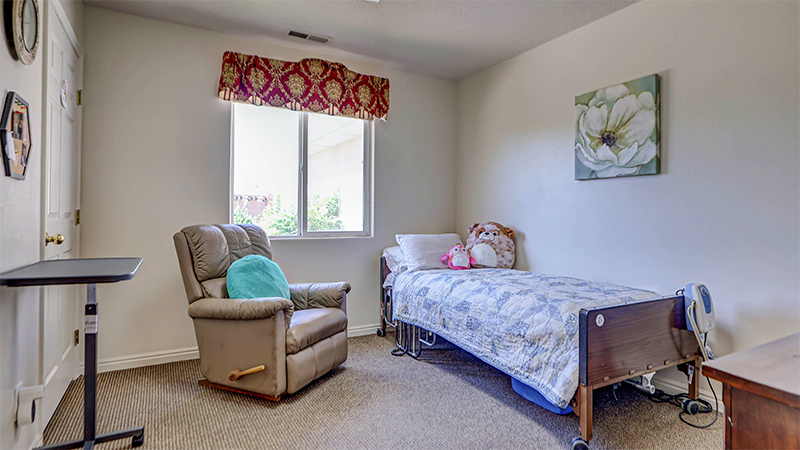
Located across the street from our Memory Care home, this level one facility is licensed for 13 residents. The more active residents enjoy the fact that the home is located near one of the popular community walking trails and is just a half block from a community park. The charming and cozy decor provide a homelike environment and there is usually something good cooking in the kitchen.
1542 W 1170 N, St. George, UT 84770
Business Hours
Families rarely ask this question early. It typically surface areas after a scare: a wandering occurrence, a late night call from the assisted living nurse, a fall that "might have been worse." By the time somebody says out loud, "Do we require memory care?", the circumstance has actually currently been weighing on them for months.
I have actually sat at kitchen area tables with daughters who feel like they are betraying their mothers, with spouses who have guaranteed "I'll never ever move you to a center," and with boys who are attempting to manage senior care from a various state. The typical thread is uncertainty. Nobody wishes to move prematurely, yet moving too late can imply injury, trauma, or a rushed decision after a crisis.
Understanding where assisted living ends and memory care starts, and what practical indications suggest it is time to shift, can turn an unclear worry into a strategy grounded in security, self-respect, and sensible expectations.
How Assisted Living and Memory Care Really Differ
On paper, the levels of care can look comparable. Both serve older grownups who can not live individually but do not need the complete strength of a nursing home. In practice, they run with very different assumptions.
Assisted living is constructed around individuals who are primarily oriented, who can follow instructions with tips, and who have fairly steady thinking. Staff may hint citizens to take medications, assist with dressing, and offer meals and house cleaning. Activities are frequently social and optional. Door security differs, and homeowners can normally come and go with minimal oversight.
Memory care is created for individuals dealing with moderate to advanced dementia or substantial cognitive impairment. The environment, staffing patterns, shows, and safety measures focus around foreseeable obstacles: wandering, agitation, sundowning, problem utilizing words, poor judgment about safety, and trouble recognizing needs such as appetite, thirst, or toileting.
Common distinctions you will often see in a well run memory care neighborhood:
Residents live in a more contained, safe area so someone who tries to "go home" at 2 a.m. Can not leave the front door. Staff-to-resident ratios are typically higher, especially throughout nights and nights when confusion and behavior changes peak. Activities are much shorter, simpler, and more repeated, which matches attention spans and can decrease disappointment. The physical space is quieter, with clearer signage, less visual interruptions, and layout that encourages strolling in loops instead of dead ends. Staff training focuses on dementia communication methods, recognition, and behavioral methods rather than merely task completion.
Families often presume memory care is "more institutional" than assisted living. The truth depends greatly on the neighborhood. I have walked into memory care areas that felt warm, active, and homey, with personnel singing while helping homeowners into pajamas. I have also seen assisted living settings attempting to handle clear dementia requires as an "add on service," with frightened personnel and residents who are separated in their rooms due to the fact that typical locations feel overstimulating or unsafe.
Recognizing that these environments are constructed for different cognitive profiles assists you judge when the existing setting no longer matches your loved one's needs.
Normal Aging, Mild Cognitive Change, and Dementia
Part of the doubt around memory care originates from not wishing to overreact to common aging. Everyone forgets names or loses keys. Numerous older grownups take a bit longer to learn brand-new tasks. That alone does not justify moving out of assisted living.
The shift toward dementia is less about isolated memory slips and more about patterns that disrupt daily life. In my work, I listen for stories that reveal a modification in how someone works compared with their own previous baseline.
A resident who occasionally forgets the day of the week however uses a calendar to orient normally handles fine in assisted living. A resident who can not remember they have actually moved, who repeatedly loads to "go home," or who becomes distressed by staff they no longer recognize is working with a various level of cognitive impairment.
Families often describe it as "not just forgetting, however losing the thread." Discussions circle. Directions do not stick even with tips. Previously basic choices overwhelm them. These modifications, especially when they begin to affect safety or involvement in assisted living life, suggest it is time to begin viewing more closely.
Safety Warning That Assisted Living May Not Be Enough
Safety is typically the clearest dividing line between staying in assisted living and relocating to memory care. Personnel in assisted living are not equipped, either legally or almost, to monitor someone at all times. They likewise have limits on just how much they can intervene when a resident makes a risky decision.
Several situations show up repeatedly in care conferences.
A resident begins leaving their house at night, confused about the time, and is found on another flooring or outside the building. Doors may lock, but residents tailgate behind personnel or visitors. A pattern of roaming, specifically if the person can not dependably say where they live or how to return, is a strong argument for a secured memory care setting.
Kitchen events produce another pivotal moment. Smoke alarms set off by forgotten food on the stove, melted plastic in the oven, or efforts to "cook" using unsafe home appliances in the space all recommend judgment is slipping. Assisted living personnel can eliminate appliances and add suggestions, however if someone does not remember they ought to not prepare, supervision gaps remain.
Falls, in themselves, are not rare in elderly care. The concern grows when falls appear linked to confusion: standing rapidly since they think somebody is at the door, tripping over clutter they decline to let staff move, or roaming during the night without turning on lights. If the cause is cognitive rather than simply physical, memory care might use the structure required to lower duplicated injury.
Medication errors are another repeating issue. Assisted living can handle cueing and even hands-on administration in numerous states, but if a resident hides tablets, double dosages, or ends up being suspicious and declines medications, the threat of hospitalization rises. Memory care teams are more acquainted with handling these habits through routine, relationship building, and partnership with prescribers.

In short, when "we can most likely avoid this with more tips" turns into "we are worried something serious will take place when no one is right there," it is time to believe more seriously about memory focused senior care.
Behavioral and Emotional Changes That Strain the Existing Setting
Cognitive decrease is not just about forgetting. Mood and habits often move in ways that take assisted living personnel outside their comfort zone.
You may hear staff mention increasing agitation, particularly in the late afternoon and night. Someone who used to attend group activities now snaps when approached, implicates others of taking, or yells at staff throughout care. The person is not "being difficult." Their brain is processing stimuli differently and has less tools to manage frustration or fear.
Repetitive questioning, watching, or refusal of care likewise escalate gradually. In a busy assisted living corridor, a resident who follows staff constantly, needs responses every minute, or refuses showers or toileting can end up being identified as "too much" for the setting. Personnel might be kind however they are extended thin and have less training in behavioral strategies.
Paranoia and deceptions present another tipping point. It is something when a resident periodically loses a sweater and discusses it delicately. It is another when they call 911 because they think personnel are burglars, implicate next-door neighbors of poisoning their food, or barricade their door during the night. These scenarios can frighten other homeowners and drain staff energy, even when everybody comprehends that the illness is driving the behavior.
Memory care communities anticipate these difficulties. Their routines, staffing patterns, and environment purposefully lower triggers. Activities are typically smaller sized and quieter. Staff understand that it might take three or four mild attempts to complete a bath, and that recognition, redirection, and calm body language are more powerful tools than reasoning or argument.
When you discover that the habits is specifying the day, and that assisted living staff are spending more time "managing" your loved one than engaging them, the current setting might no longer be the very best match.
The Household and Caretaker Perspective
Families in some cases focus solely on the resident and neglect a similarly important factor: how the current circumstance affects everyone caring for them.
A daughter as soon as stated to me, "I am paying for assisted living, however I am still here every night up until 10 p.m. Ensuring Mom takes her medications and does not wander." Her mother's needs had actually grown out of the level of guidance readily available, and the gap fell totally on her.
Warning signs on the caretaker side consist of consistent dread about the phone ringing, problem sleeping since you are reliving every incident, animosity towards brother or sisters who "do not see how bad it is," and overlook of your own health consultations or social life. I have seen main caretakers hospitalized themselves due to tension associated illnesses while still insisting they might "handle it."
Good elderly care strategies consider everybody in the system. If the only way to keep your loved one in assisted living is for you to be there daily, supervising meals, rerouting confusion, and handling habits, you effectively have two jobs. That is not sustainable.
Sometimes the move to memory care is as much about preserving the relationship between you and your loved one as it is about safety. Shifting the intensive, everyday oversight to a qualified team can permit you to return to being a child, son, or partner rather of a full time crisis manager.
Clear Signs It Is Time to Seriously Consider Memory Care
While every circumstance is nuanced, certain patterns consistently point towards the requirement for a more customized environment. When numerous of these are present at the same time, households are typically on strong ground beginning the search for memory care instead of trying to spot the present arrangement.
Here is a concise checklist you can use with other member of the family and the existing assisted living team:
- Repeated wandering or exit looking for, particularly at night, with at least one event requiring staff or emergency situation services to intervene.
- Escalating habits modifications (agitation, aggressiveness, fear) that interrupt day-to-day care in spite of changes in regular or medications.
- Frequent falls, injuries, or near misses out on plainly linked to confusion or poor security judgment instead of just physical weakness.
- Inability to take part meaningfully in assisted living activities or regimens, resulting in seclusion, monotony, or continuous distress.
- Family or staff requiring to provide near continuous guidance or crisis management outside what assisted living usually offers.
You do not need to inspect every box to justify a move, however if 2 or 3 resonate highly, it is a good idea to start exploring options before a major emergency situation requires a rushed decision.
Working With the Assisted Living Team
Before you choose that memory care is inevitable, speak honestly with the assisted living staff and management. Front line caregivers frequently see modifications earlier than anybody, however they might soften their language because they do not wish to alarm the family.
Ask for particular examples instead of general statements like "she is declining." Concrete stories about current occurrences assist separate in between a bad week and a pattern. If your state requires formal evaluations to figure out level of care, request a copy and walk through it line by line with the nurse or care coordinator.
Sometimes, targeted adjustments can purchase more time in assisted living. This might consist of increased cueing throughout high threat times of day, streamlined clothes to make dressing simpler, or eliminating home appliances and adding more frequent safety rounds. A change in medication, such as much better discomfort control, can also reduce agitation and falls.
However, if staff begin stating things like, "We are worried we can not keep him safe here," or "We are using more staff than we can sustain to handle one resident," they are not attempting to push you. They are naming limits that matter for everyone's well being, including other homeowners who likewise need attention.
It assists to ask directly, "If this were your parent, what would you be thinking of next?" Experienced nurses and administrators typically have a good sense of timing based upon lots of similar cases.
Respite Care as a Trial Run
Families who feel torn about an irreversible relocation in some cases find respite care in a memory care setting indispensable. Respite care means a brief stay, normally anywhere from a few days to numerous weeks, in a completely furnished home or space while the routine living plan pauses.
This can serve numerous purposes. It offers you a sensible photo of how your loved one responds to a protected environment, structured memory-focused activities, and a various personnel team. Numerous families are shocked at how elder care quickly agitation decreases once the daily environment is more foreseeable and less demanding cognitively.
It also offers caregivers a genuine break. Rather of spending respite time racing through errands connected to care, you can rest, see your own physicians, reconnect with friends, and think more plainly about the long term strategy. I typically see household perspectives shift after they experience what it feels like not to be "on call" every minute.
Communities vary in their respite care policies, expenses, and availability. Some need a minimum stay or use respite as a stepping stone to a longer term move in, others keep a room designated for short-term use. Ask how they deal with shifts back to assisted living if you decide memory care is not yet necessary.
Financial and Practical Considerations
A relocation from assisted living to memory care normally affects finances. Memory care frequently costs more, sometimes significantly, mainly due to greater staffing levels and specialized shows. The month-to-month distinction can range from a couple of hundred to over a thousand dollars depending on region, private pay rates, and extra support layers.
Before deciding that memory care is "too costly," review the full photo. If relative are offering comprehensive unsettled support now, what would it cost to generate private task caregivers to fill those spaces while remaining in assisted living? In most cases, the combined expense of assisted living plus in home assistants during evenings and nights exceeds the rate of memory care.
Clarify what each option includes. Some memory care programs bundle services like medication management, incontinence care, and specialized activities into one rate, while assisted living might charge individually for each added layer. Insurance coverage, such as long term care policies, might have various benefit sets off for memory care versus assisted living.
Logistics likewise matter. If memory care is in the same neighborhood, the transition is typically smoother. Your loved one sees familiar corridors and may recognize some staff. If a transfer to another company is essential, plan how to introduce the new setting slowly through visits, shared meals, or presence at occasions before the irreversible move, whenever possible.
Legal documents need to be existing also. Check that healthcare proxies, powers of attorney, and any advance regulations show present dreams and are readily available. As dementia advances, decision making frequently moves more formally to designated agents, and having documents in order avoids delays or confusion at crucial moments.
What the Shift Period Looks Like
Families often fear that a relocate to memory care will be terrible. In honesty, there is almost constantly some distress, specifically if the resident does not understand why they should leave a house they consider as their home. The very first days or weeks can feel bumpy.
The goal is not to avoid all distress, but to handle it compassionately and consistently. Good memory care teams spend the very first few weeks being familiar with each person's regimens, choices, biography, and triggers. They change seating in the dining-room, schedule baths sometimes that match lifelong routines, and present the resident to a "go to" personnel person who can end up being a familiar face.
Some residents adapt rapidly. Once secure doors avoid them from leaving, they unwind. Structured, basic activities such as folding towels, gardening on a safeguarded outdoor patio, or music circles provide function without frustrating them. Families sometimes state, "I did not realize how nervous she was in the past. She appears more herself here."
Others battle the modification for a longer duration. They may attempt to load, ask hundreds of times to "go home," or decline to take part. In these cases, personnel use dementia-specific techniques: confirming sensations instead of arguing, providing comforting tasks or snacks throughout peak distress, and trying to find unmet requirements underneath repeating questions.
Your role moves too. On move in day, it assists to keep your time in the new space fairly brief and emotionally consistent. Lingering, consistently promising, "You can come home quickly," or revealing your own distress can increase their distress. Many neighborhoods recommend a "settling in" duration of a couple of days where visits are shorter and more structured, which gives staff area to form relationships.
Over time, you can reestablish longer visits, shared meals, and involvement in activities together. The goal is not to vanish, however to allow the brand-new regimens to take root.

Complex Situations and Edge Cases
Not every scenario fits neatly into a textbook description. A number of situations consistently require extra nuance.
Couples present distinct obstacles. One partner might grow in assisted living while the other advances with dementia. Some neighborhoods use attached or surrounding memory care and assisted living apartments so spouses can stay close while each receives proper care. In other cases, households decide to focus on the safety of the more impaired spouse in memory care, with regular visits and shared meals. There is hardly ever a best solution, just trade offs that must be weighed thoughtfully.
Younger start dementia likewise complicates decisions. A person in their 60s or early 70s with dementia may not feel they "healthy" in conventional memory care. Their physical strength can make behavioral concerns harder to manage safely in assisted living, yet they may withstand environments they relate to much older locals. In these cases, it is important to try to find memory care programs that comprehend and accommodate more youthful residents through more customized activities and therapies.
Finally, it deserves calling that relocating to memory care does not have to be a one method street in every situation. I have actually seen unusual cases where a resident's delirium from without treatment infection or medication negative effects improved dramatically; with time, they supported at a level that could be managed securely back in assisted living, particularly if memory care had been utilized rapidly during a crisis. These are exceptions, not the guideline, however they highlight the importance of extensive medical assessment along the way.
Questions to Ask When You Visit Memory Care Communities
Once you choose it is time to explore memory care, visiting neighborhoods with a vital however open mind helps you identify marketing language from actual practice. Written materials hardly ever show how a location feels at 6 p.m. On a busy Tuesday.
Use visits to observe every day life and ask targeted questions like these:
- How lots of homeowners does each caretaker generally support on day, evening, and night shifts, and how long do personnel tend to stay in their jobs?
- What particular dementia training do caretakers receive at hire and on a continuous basis, and who offers that training?
- How do you deal with behavior modifications such as aggressiveness, refusal of care, or sundowning before turning to medications?
- What does a common day appear like for somebody at my loved one's phase of dementia, including choices for quieter or one-on-one activities?
- How do you involve households in care planning, updates, and decision making as the illness progresses?
Pay attention not only to the answers, however to the energy of the location. Are citizens taken part in some way, or sitting parked in front of a television for long stretches? Do personnel welcome locals by name, usage mild touch appropriately, and seem hurried or present? Your instincts about the culture normally matter as much as the brochures.
Moving Forward With Clearness Rather Than Guilt
Realistically, there is no single best moment when the relocation from assisted living to memory care ends up being apparent to everyone simultaneously. Instead, you collect clues: incidents that feel too close for convenience, staff issues, your own growing exhaustion, shifts in your loved one's mood or participation. At some point, the concern turns from "Do we really require to consider this?" to "What occurs if we do not?"
Framing memory care not as a failure, but as the next suitable level of elderly take care of an advancing brain disease, can ease a few of the guilt. Dementia changes what "home" suggests. For many families, a safe, well run memory care neighborhood ends up being the location where their loved one is not simply protected, however understood.
That permits you to invest your staying shared time less as a supervisor and more as a buddy: holding hands in the yard, singing familiar tunes, sharing little minutes of connection inside a setting designed for the realities of memory loss.
BeeHive Homes of St George Snow Canyon provides assisted living care
BeeHive Homes of St George Snow Canyon provides memory care services
BeeHive Homes of St George Snow Canyon provides respite care services
BeeHive Homes of St George Snow Canyon offers 24-hour support from professional caregivers
BeeHive Homes of St George Snow Canyon offers private bedrooms with private bathrooms
BeeHive Homes of St George Snow Canyon provides medication monitoring and documentation
BeeHive Homes of St George Snow Canyon serves dietitian-approved meals
BeeHive Homes of St George Snow Canyon provides housekeeping services
BeeHive Homes of St George Snow Canyon provides laundry services
BeeHive Homes of St George Snow Canyon offers community dining and social engagement activities
BeeHive Homes of St George Snow Canyon features life enrichment activities
BeeHive Homes of St George Snow Canyon supports personal care assistance during meals and daily routines
BeeHive Homes of St George Snow Canyon promotes frequent physical and mental exercise opportunities
BeeHive Homes of St George Snow Canyon provides a home-like residential enviroMOent
BeeHive Homes of St George Snow Canyon creates customized care plans as residents’ needs change
BeeHive Homes of St George Snow Canyon assesses individual resident care needs
BeeHive Homes of St George Snow Canyon accepts private pay and long-term care insurance
BeeHive Homes of St George Snow Canyon assists qualified veterans with Aid and Attendance benefits
BeeHive Homes of St George Snow Canyon encourages meaningful resident-to-staff relationships
BeeHive Homes of St George Snow Canyon delivers compassionate, attentive senior care focused on dignity and comfort
BeeHive Homes of St George Snow Canyon has a phone number of (435) 525-2183
BeeHive Homes of St George Snow Canyon has an address of 1542 W 1170 N, St. George, UT 84770
BeeHive Homes of St George Snow Canyon has a website https://beehivehomes.com/locations/st-george-snow-canyon/
BeeHive Homes of St George Snow Canyon has Google Maps listing https://maps.app.goo.gl/uJrsa7GsE5G5yu3M6
BeeHive Homes of St George Snow Canyon has Facebook page https://www.facebook.com/Beehivehomessnowcanyon/
BeeHive Homes of St George Snow Canyon won Top Assisted Living Homes 2025
BeeHive Homes of St George Snow Canyon earned Best Customer Service Award 2024
BeeHive Homes of St George Snow Canyon placed 1st for Senior Living Communities 2025
People Also Ask about BeeHive Homes of St George Snow Canyon
How much does assisted living cost at BeeHive Homes of St. George, and what is included?
At BeeHive Homes of St. George – Snow Canyon, assisted living rates begin at $4,400 per month. Our Memory Care home offers shared rooms at $4,500 and private rooms at $5,000. All pricing is all-inclusive, covering home-cooked meals, snacks, utilities, DirecTV, medication management, biannual nursing assessments, and daily personal care. Families are only responsible for pharmacy bills, incontinence supplies, personal snacks or sodas, and transportation to medical appointments if needed.
Can residents stay in BeeHive Homes of St George Snow Canyon until the end of their life?
Yes. Many residents remain with us through the end of life, supported by local home health and hospice providers. While we are not a skilled nursing facility, our caregivers work closely with hospice to ensure each resident receives comfort, dignity, and compassionate care. Our goal is for residents to remain in the familiar surroundings of our Snow Canyon or Memory Care home, surrounded by staff and friends who have become family.
Does BeeHive Homes of St George Snow Canyon have a nurse on staff?
Our homes do not employ a full-time nurse on-site, but each has access to a consulting nurse who is available around the clock. Should additional medical care be needed, a physician may order home health or hospice services directly into our homes. This approach allows us to provide personalized support while ensuring residents always have access to medical expertise.
Do you accept Medicaid or state-funded programs?
Yes. BeeHive Homes of St. George participates in Utah’s New Choices Waiver Program and accepts the Aging Waiver for respite care. Both require prior authorization, and we are happy to guide families through the process.
Do we have couple’s rooms available?
Yes. Couples are welcome in our larger suites, which feature private full baths. This allows spouses to remain together while still receiving the daily support and care they need.
Where is BeeHive Homes of St George Snow Canyon located?
BeeHive Homes of St George Snow Canyon is conveniently located at 1542 W 1170 N, St. George, UT 84770. You can easily find directions on Google Maps or call at (435) 525-2183 Monday through Sunday 9:00am to 5:00pm
How can I contact BeeHive Homes of St George Snow Canyon?
You can contact BeeHive Homes of St George Snow Canyon by phone at: (435) 525-2183, visit their website at https://beehivehomes.com/locations/st-george-snow-canyon, or connect on social media via Facebook
Residents may take a trip to the St. George Dinosaur Discovery Site at Johnson Farm The Dinosaur Discovery Site offers engaging exhibits that create a stimulating yet manageable museum experience for assisted living, memory care, senior care, elderly care, and respite care residents.