Small Senior Care Homes: A Gentler Technique to Alzheimer's and Memory Care
Business Name: BeeHive Homes of St George Snow Canyon
Address: 1542 W 1170 N, St. George, UT 84770
Phone: (435) 525-2183
BeeHive Homes of St George Snow Canyon
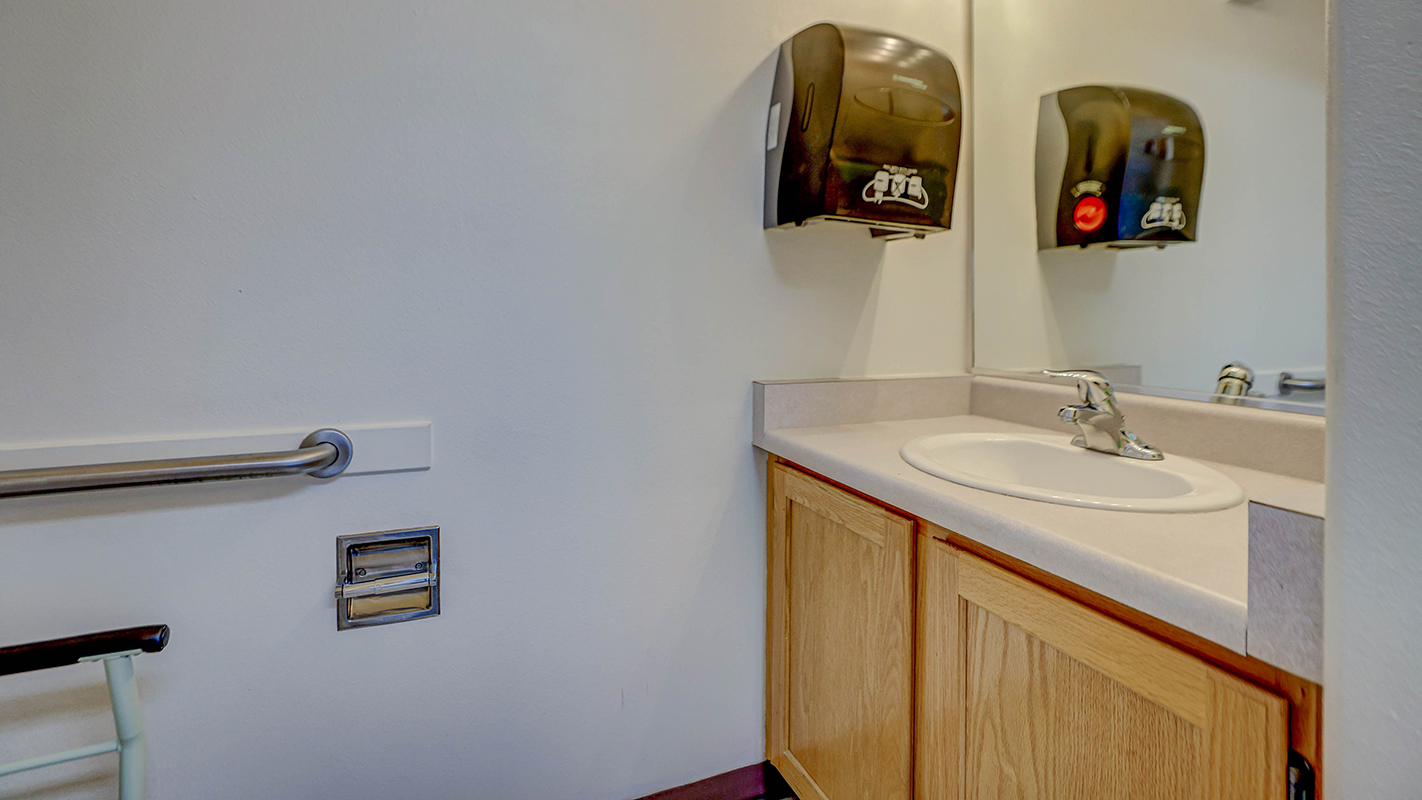
Located across the street from our Memory Care home, this level one facility is licensed for 13 residents. The more active residents enjoy the fact that the home is located near one of the popular community walking trails and is just a half block from a community park. The charming and cozy decor provide a homelike environment and there is usually something good cooking in the kitchen.
1542 W 1170 N, St. George, UT 84770
Business Hours
Families typically begin trying to find Alzheimer's and dementia care after a crisis. A roaming event. A late night fall. A range left on. The search typically results in glossy sales brochures for big assisted living neighborhoods with chandeliers, cinema, and activity calendars that look like cruise itineraries.
Then someone mentions a small residential care home that takes 8 locals, tucked into a quiet neighborhood, where the owner still purchases the groceries and knows every household by name. It might not look incredible from the street. Inside, though, the rhythm of life can feel calmer and more human, particularly for somebody living with memory loss.
This is the world of little senior care homes. They are not the best suitable for everyone with dementia, however for numerous, they offer a gentler, more relational technique to memory care than big centers are often able to sustain.
What little senior care homes really are
Small senior care homes pass various names depending on the state: residential care homes, board and care, group homes, adult household homes. The common thread is scale. Instead of serving lots or hundreds of homeowners, these homes generally support in between 4 and sixteen older grownups, typically in a home that looks much like others on the block.
Regulations differ extensively, however in the majority of states these homes are licensed as a type of assisted living or residential care, not as proficient nursing centers. They generally offer help with daily jobs such as bathing, dressing, toileting, meals, and medications. Some are specifically licensed or designated for dementia care or memory care, which normally indicates staff have extra training and the environment is protected to avoid risky wandering.
Families often presume that a house-based setting is "less medical" and therefore less capable. That is not necessarily real. I have seen little homes handle complicated combinations of diabetes, Parkinson's, and moderate dementia with ability and consistency, largely due to the fact that the same personnel see the exact same eight homeowners, day after day. The oversight design is different from a nursing home, but for many people with Alzheimer's disease who do not have intense nursing needs, it can be more than adequate.
Why scale matters for people with dementia
Dementia modifications how an individual takes in the world. Sound, visual mess, and unknown regimens produce tension. Even a basic task like strolling from bed room to dining room can end up being disorienting in a long hallway with identical doors, echoing floors, and individuals rushing by.
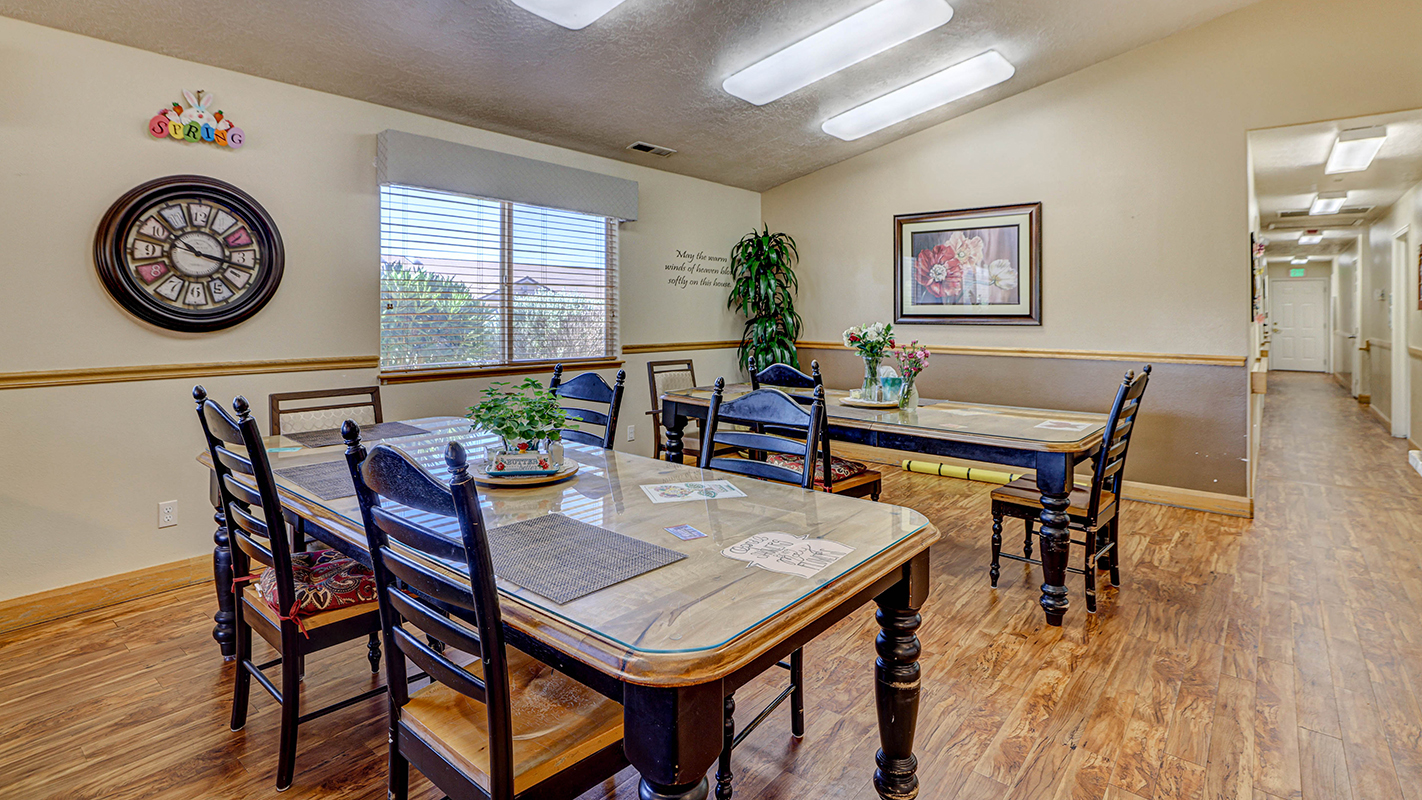
In a little senior care home, the environment is physically and socially smaller sized. Homeowners generally share common areas such as a living-room, dining-room, kitchen area, and backyard. Hallways are short. Doors lead to familiar spaces, not to wings and elevators. Every day life feels more like a home than a campus.
For someone with amnesia, that smaller sized stage can indicate:
- Less stress and anxiety, due to the fact that there are less people, less loud announcements, and fewer abrupt transitions.
- More repeating, which supports memory. The very same chair at the exact same table. The exact same caregiver coming in the morning. The same hallway to the bathroom.
- Easier wayfinding. Landmarks are identifiable, and the distance in between areas is manageable.
- Fewer missed out on cues. A resident who looks sleepy or off-balance is more noticeable in a living room with six people than in a dining room with sixty.
A daughter when told me that her father, a retired carpenter with moderate Alzheimer's, was "lost in the shuffle" at a large memory care facility. Staff were kind, however the design was complicated, and he would roam into other homeowners' spaces looking for the workshop he kept in mind from years earlier. After moving to a little home with only ten homeowners, he stopped trying to "find the store" and instead started to help the caregiver with small household jobs such as tightening loose screws on chairs. The smaller setting did not treat his dementia, of course, however it offered his staying strengths a location to surface.
How daily life feels in a small memory care home
Families often underestimate how much the feel of the daily regular matters in dementia care. Medication management, fall prevention, and nutrition are important, however the texture of the day is what shapes state of mind and behavior.
In many small homes, meals are prepared in a visible kitchen, not in a commercial back room. Citizens can smell coffee brewing or onions sautéing. That sensory experience assists trigger appetite and maintain a sense of time: morning, lunchtime, evening. I have actually viewed locals who consumed badly in institutional settings unexpectedly finish complete plates in a little home simply since they had time to inhale the aroma of food cooking and to watch it get here on the table.
Staff ratios are normally tighter since there are fewer homeowners topped fewer square feet. It is not uncommon to see one caregiver for five or six citizens throughout the day in a high-quality little home, compared to ratios that can be two times that in some larger assisted living or memory care units. Greater ratios do not automatically ensure much better care, however they do make constant, timely help more possible.
Activities tend to be simple and versatile: folding laundry together at the dining table, watering plants on the outdoor patio, listening to old tunes, or doing chair workouts throughout an early morning stretch. In a home with 10 citizens, it is much easier to match activities to actual interests. A former instructor might "assist read" to others; a long-lasting garden enthusiast might prefer to deadhead flowers rather than go to a generic bingo game.
The little scale also supports more responsive behavior management. A resident who becomes agitated in the late afternoon can be strolled into a peaceful bed room or backyard within seconds, without browsing long hallways or waiting for an offered staff member to react from another wing.
Comparing small homes to large assisted living and memory care communities
Both little homes and big neighborhoods exist along a quality spectrum. I have seen perfectly run big memory care communities and poorly managed little homes, and vice versa. Still, there are inherent trade-offs households need to understand.
Here is a basic method to compare them:
- Small senior care homes frequently master tailored attention, continuity of caretakers, and a calm environment. They can feel more like an extended family than a facility.
- Large assisted living and memory care neighborhoods can offer more features, such as on-site physical treatment, salon services, transport, and a more comprehensive menu of structured activities.
- Small homes might be quicker to see subtle changes in behavior or health, due to the fact that personnel understand each resident's standard intimately.
- Large settings generally have more visible management existence on-site, several layers of guidance, and simpler access to certified nurses throughout service hours.
- Small homes have restricted capacity, so if a resident's needs escalate suddenly, there may be less flexibility. Larger settings might have transitional units or more staff to absorb increased care demands.
Cost can be surprisingly comparable. A private room in a high-end large memory care facility might cost more than a shared room in a little home, but lots of midrange little homes rate in the very same ballpark as midrange assisted living neighborhoods in the same market. Regional real estate costs, staffing earnings, and level of care all affect the last figure.
The medical side: dementia care in a small setting
For households, the huge concern is usually not aesthetics. It is whether a small home can really handle the medical complexity of dementia care over time.
Medication management is central. In trustworthy small homes, caretakers are trained to administer medications, track refills, and screen for negative effects. Some homes utilize electronic medication administration records; others use efficient paper systems that are inspected regularly by a nurse or pharmacist. The smaller census makes it easier to notice if Mrs. L avoids her evening pills or if Mr. J appears more drowsy after a dose change.
Chronic conditions such as heart disease, COPD, diabetes, and arthritis are common together with dementia. A strong small home will have clear procedures for monitoring weights, blood sugar level, or oxygen use, and will collaborate with outside home health or hospice services as required. In many states, visiting nurses and therapists can see citizens on-site in these homes, which assists prevent disruptive trips to clinics.
Behavioral signs of dementia are frequently where the distinction in setting becomes most obvious. When someone starts to speed, call out, or withstand care, a caregiver in a small home can change the environment nearly right away: alter the lighting, close a loud TV, shift to a quieter room, or step outside for fresh air. These nonpharmacologic strategies are the foundation of excellent dementia care, and they depend greatly on personnel understanding each person's history, preferences, and triggers.
Medication for agitation or psychosis has its place, particularly when safety is at stake, but a lot of clinicians attempt to keep dosages as low as possible. Personnel who see the very same 8 homeowners every day are typically better placed to discover patterns such as "he gets upset when his brother leaves" or "she yells more when the news is on" and to change regimens accordingly.
There are limits. Some little homes, especially those with very little nursing oversight, may deal with locals who have regular medical crises, complex injury care, or extreme behavioral signs such as aggressive striking or duplicated harmful wandering. An excellent operator will be truthful about those limitations and will not take on residents they can not support.
The emotional experience for families
Families frequently explain small senior care homes as "less overwhelming." The parking area is smaller. The front door might have a wreath or a welcome mat rather of a reception desk. You can generally walk straight into the kitchen and smell what is cooking.
That stated, the intimacy of a little setting cuts both methods. There is less anonymity. If you are unhappy with something, your feedback goes directly to the same handful of personnel taking care of your parent every day. In a big center, grievances might route through a formal grievance procedure or a far-off corporate workplace. In a little home, they tend to be face to face.
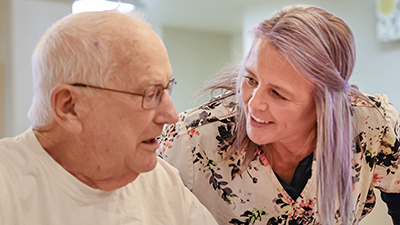
What families typically value most is connection. The caregiver who bathes your mother in March is most likely the exact same one who will be holding her hand throughout a breathing infection in November. That connection builds trust with time. It likewise minimizes the possibility of duplicated "being familiar with you" cycles that can be so tough on an individual with memory loss.
However, small homes are more vulnerable to staff disturbances. If two long-time caretakers gave up, the culture of your house can shift quickly. Households need to focus not only to the owner or manager, however also to the front-line personnel who run the daily routine.
When a little senior care home is a great fit
Small homes can be an outstanding option for specific scenarios. Families who tend to be happiest with this model often share some of these conditions:
- The individual with dementia is overwhelmed by crowds, noise, or complex environments and does much better with less individuals around.
- The family values relationship-based care over facilities. They care more about constant caregivers and versatile routines than about on-site fitness centers or a packed activity calendar.
- The person does not have continuous, high-intensity nursing needs, such as ventilator assistance or sophisticated wound care that truly require a proficient nursing facility.
- The household wishes to be closely included, going to frequently and collaborating with personnel on choices, history, and approaches.
- Cultural or language alignment is essential, and they discover a home where staff share a familiar background, food traditions, or main language.
In these circumstances, the home-like environment supports staying abilities while buffering a few of the confusion dementia brings.
When a small home may not be the best choice
There are also clear circumstances where a bigger assisted living, specialized memory care system, or nursing home may be more secure or more practical.
If the individual has highly unstable medical conditions, requires regular on-site doctor assessment, or needs specific devices kept track of all the time, a setting with on-site nursing and closer medical oversight may be nonnegotiable.
Some individuals with dementia keep high physical energy and need comprehensive area for safe wandering, numerous activity stations, and structured shows to minimize agitation. An extremely little home with minimal indoor and outside space can feel confining for them.
Finances can tip the scale, too. Some large centers take part in Medicaid waiver programs that cover memory care after private funds are depleted. Lots of little homes, particularly those with fewer homeowners, operate almost completely on private pay and may not accept Medicaid at all. Households who anticipate requiring public funding in the foreseeable future should factor this into their planning from the start.
Finally, geography matters. In some areas, little homes are plentiful and well-regulated. In others, alternatives are sporadic or quality is irregular. A high-quality senior care big community near household will typically be better than a mediocre little home an hour away.
How to examine a little senior care home for dementia care
Families frequently tell me they feel less intimidated strolling into a home than into a big building with badges and ID scanners. That convenience can be favorable, however do not let it replace a mindful assessment.
Here is a concentrated checklist to direct your visits:
- Observe the rhythm of the day. Are citizens engaged, clean, and calmly inhabited, or do you see individuals dropped in wheelchairs with tvs blaring?
- Ask specific concerns about dementia training and experience. How do personnel deal with wandering, rejection of care, or sundowning? Listen for concrete examples, not vague reassurance.
- Check staffing patterns all the time. Who is on-site overnight? The number of caregivers are present for the number of residents in the evening and on weekends?
- Clarify what occurs as needs increase. At what point would the home ask a resident to transfer to a greater level of care? How do they include hospice or home health?
- Review communication routines. How often will you receive updates? Whom do you call after hours? What takes place if there is a fall or a medication error?
Trust your senses. A modest house with slightly used furniture can still supply excellent care, while a magnificently decorated home can conceal lack of organization or burnout. Focus on how personnel discuss citizens when they believe you are not listening, how quickly call bells or demands are responded to, and whether citizens address personnel by name with comfort or fear.
The role of respite care in small homes
Respite care is typically ignored, yet it can be a lifeline for households taking care of a loved one with dementia in the house. Numerous little homes provide short-term stays of a few days to a few weeks. This offers the main caregiver a chance to rest, travel, or manage their own health needs while their loved one gets expert support.
Short-term stays in a small setting have specific benefits for individuals with memory loss. The environment is easier to learn in a few days, and the same caretakers communicate with the individual repeatedly, which builds familiarity quickly. I have actually had families utilize respite in a little home a number of times a year, partially to rest, but likewise to slowly present their loved one to the setting in case a permanent move ends up being needed later.
For some, respite remains end up being a trial duration. The household sees how their loved one responds to the small home, how staff interact, and whether daily regimens are really individualized. If the trial works well, transitioning to full-time residency feels less abrupt.
Integrating small homes into a more comprehensive care strategy
Choosing a little senior care home for Alzheimer's or dementia care is not an isolated decision. It should fit into a wider strategy that includes treatment, legal and financial preparation, and household expectations.
Primary care physicians and neurologists stay essential partners, even after a relocation. The best little homes will coordinate carefully with outside clinicians, sending out prompt notes about changes in habits, hunger, sleep, or falls. Households who stay active in medical visits, either face to face or through telehealth, aid guarantee that the medical side of dementia care equals the everyday living support the home provides.
Legal and monetary preparation should ideally happen well before a relocation. Powers of attorney for healthcare and finances, advance directives, and practical budgeting for the full course of the illness are just as essential whether your loved one lives in a little home, a large assisted living neighborhood, or with family.
Finally, families ought to change their own expectations. A transfer to a little senior care home does not end the family's role. It changes it. Rather of hands-on bathing or consistent supervision, the role shifts toward advocacy, psychological assistance, and collaboration with expert caretakers. The smaller sized size of the home can make that partnership feel more like shared stewardship than like browsing a big bureaucracy.
A gentler approach, not a perfect one
Alzheimer's and other types of dementia do not lend themselves to easy responses. There is no ideal setting, just much better and even worse matches for a particular individual at a specific time.
Small senior care homes add a crucial choice to the landscape of senior care, assisted living, and memory care. Their scale enables a quieter, more relational style of dementia care that many individuals discover deeply humane. They can offer a sanctuary of continuity in an illness specified by loss and change.
Yet they are not a magic option. Their success depends on the stability of the owner, the stability and training of personnel, and practical alignment between resident requirements and the home's abilities. Families who walk in with clear eyes, ask particular questions, and stay engaged over time are more likely to find in these homes what they most expect: safety, self-respect, and familiar generosity for someone they love.
BeeHive Homes of St George Snow Canyon provides assisted living care
BeeHive Homes of St George Snow Canyon provides memory care services
BeeHive Homes of St George Snow Canyon provides respite care services
BeeHive Homes of St George Snow Canyon offers 24-hour support from professional caregivers
BeeHive Homes of St George Snow Canyon offers private bedrooms with private bathrooms
BeeHive Homes of St George Snow Canyon provides medication monitoring and documentation
BeeHive Homes of St George Snow Canyon serves dietitian-approved meals
BeeHive Homes of St George Snow Canyon provides housekeeping services
BeeHive Homes of St George Snow Canyon provides laundry services
BeeHive Homes of St George Snow Canyon offers community dining and social engagement activities
BeeHive Homes of St George Snow Canyon features life enrichment activities
BeeHive Homes of St George Snow Canyon supports personal care assistance during meals and daily routines
BeeHive Homes of St George Snow Canyon promotes frequent physical and mental exercise opportunities
BeeHive Homes of St George Snow Canyon provides a home-like residential enviroMOent
BeeHive Homes of St George Snow Canyon creates customized care plans as residents’ needs change
BeeHive Homes of St George Snow Canyon assesses individual resident care needs
BeeHive Homes of St George Snow Canyon accepts private pay and long-term care insurance
BeeHive Homes of St George Snow Canyon assists qualified veterans with Aid and Attendance benefits
BeeHive Homes of St George Snow Canyon encourages meaningful resident-to-staff relationships
BeeHive Homes of St George Snow Canyon delivers compassionate, attentive senior care focused on dignity and comfort
BeeHive Homes of St George Snow Canyon has a phone number of (435) 525-2183
BeeHive Homes of St George Snow Canyon has an address of 1542 W 1170 N, St. George, UT 84770
BeeHive Homes of St George Snow Canyon has a website https://beehivehomes.com/locations/st-george-snow-canyon/
BeeHive Homes of St George Snow Canyon has Google Maps listing https://maps.app.goo.gl/uJrsa7GsE5G5yu3M6
BeeHive Homes of St George Snow Canyon has Facebook page https://www.facebook.com/Beehivehomessnowcanyon/
BeeHive Homes of St George Snow Canyon won Top Assisted Living Homes 2025
BeeHive Homes of St George Snow Canyon earned Best Customer Service Award 2024
BeeHive Homes of St George Snow Canyon placed 1st for Senior Living Communities 2025
People Also Ask about BeeHive Homes of St George Snow Canyon
How much does assisted living cost at BeeHive Homes of St. George, and what is included?
At BeeHive Homes of St. George – Snow Canyon, assisted living rates begin at $4,400 per month. Our Memory Care home offers shared rooms at $4,500 and private rooms at $5,000. All pricing is all-inclusive, covering home-cooked meals, snacks, utilities, DirecTV, medication management, biannual nursing assessments, and daily personal care. Families are only responsible for pharmacy bills, incontinence supplies, personal snacks or sodas, and transportation to medical appointments if needed.
Can residents stay in BeeHive Homes of St George Snow Canyon until the end of their life?
Yes. Many residents remain with us through the end of life, supported by local home health and hospice providers. While we are not a skilled nursing facility, our caregivers work closely with hospice to ensure each resident receives comfort, dignity, and compassionate care. Our goal is for residents to remain in the familiar surroundings of our Snow Canyon or Memory Care home, surrounded by staff and friends who have become family.
Does BeeHive Homes of St George Snow Canyon have a nurse on staff?
Our homes do not employ a full-time nurse on-site, but each has access to a consulting nurse who is available around the clock. Should additional medical care be needed, a physician may order home health or hospice services directly into our homes. This approach allows us to provide personalized support while ensuring residents always have access to medical expertise.
Do you accept Medicaid or state-funded programs?
Yes. BeeHive Homes of St. George participates in Utah’s New Choices Waiver Program and accepts the Aging Waiver for respite care. Both require prior authorization, and we are happy to guide families through the process.
Do we have couple’s rooms available?
Yes. Couples are welcome in our larger suites, which feature private full baths. This allows spouses to remain together while still receiving the daily support and care they need.
Where is BeeHive Homes of St George Snow Canyon located?
BeeHive Homes of St George Snow Canyon is conveniently located at 1542 W 1170 N, St. George, UT 84770. You can easily find directions on Google Maps or call at (435) 525-2183 Monday through Sunday 9:00am to 5:00pm
How can I contact BeeHive Homes of St George Snow Canyon?
You can contact BeeHive Homes of St George Snow Canyon by phone at: (435) 525-2183, visit their website at https://beehivehomes.com/locations/st-george-snow-canyon, or connect on social media via Facebook
Residents may take a trip to the St. George Dinosaur Discovery Site at Johnson Farm The Dinosaur Discovery Site offers engaging exhibits that create a stimulating yet manageable museum experience for assisted living, memory care, senior care, elderly care, and respite care residents.